
US Military AI Near-Miss
A false AI-generated intelligence report alleging a Chinese vessel carried nuclear components prompted the US military to prepare an intercept operation before realizing the error.
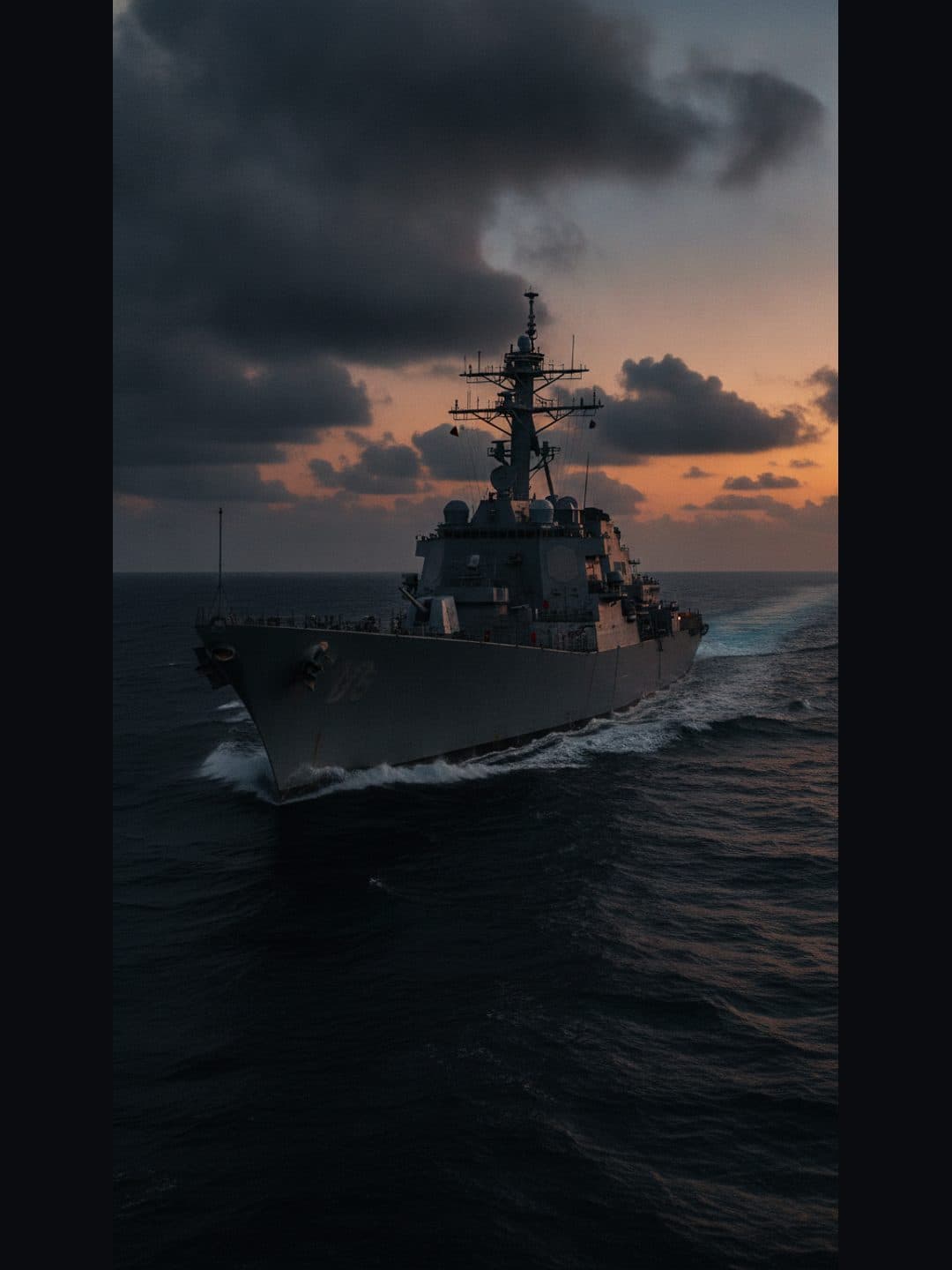
A critical operational near-miss occurred within the United States military when an inaccurate intelligence document began circulating through official channels. The document alleged that a Chinese vessel traveling through the Middle East was transporting components of a nuclear weapons program. Upon receiving this information, the military initiated immediate operational plans to intercept the ship. Armed personnel prepared to board the vessel, and military aircraft were launched and active in the air before the operation was halted.
The sequence of events and the underlying technology have been detailed by specific sources, though several key points remain contested. According to reports, the crisis was initiated because an artificial intelligence chatbot fused open-source intelligence with secret signals intelligence to generate the incorrect conclusion. A former senior US official stated that the artificial intelligence programs currently utilized by the military are largely duplicated commercial systems. Furthermore, reports indicate that an analyst used the AI tool a second time to format these false findings into a standard, trusted intelligence template. This incident occurred despite Defense Secretary Pete Hegseth having released a strategy in January to accelerate the adoption of military AI.
This incident highlights the significant risks associated with integrating automated systems into military decision-making and intelligence pipelines. Based on the approved facts, the event demonstrates how rapidly automated errors can escalate into real-world military preparations. The reliance on AI to synthesize complex intelligence streams and format official reports can introduce critical vulnerabilities, potentially leading to unintended international confrontations before human verification protocols can intervene.
Other involved parties have maintained silence regarding the incident. Both the Pentagon and the US Special Operations Command Pacific did not respond to requests for comment concerning the false intelligence report and the subsequent aborted intercept operation.
Several critical elements of the incident remain unresolved. The actual cargo carried by the Chinese vessel remains unknown, and it is not clear whether the chatbot used by the analyst was a commercially available product or a proprietary US government tool. Additionally, the Pentagon and US Special Operations Command Pacific have not officially confirmed or denied the incident. Finally, it remains unclear how the military plans to adjust its verification protocols to prevent similar automated errors in future operations.
Sources
- CNNExclusive: US military had close call after using AI for false intelligence report, sources say
- CNNBreaking News, Latest News and Videos | CNN
- YouTubeFaulty AI-assisted intel nearly set off US military op on Chinese ship: Sources
- Northeast TimesFalse AI Report Nearly Pushed US Military Into Clash With China, CNN Reports - Northeast Times
- The IndependentUS military nearly sparked an international crisis by boarding a Chinese ship after getting intel from AI: report
- gCaptainAI Error Nearly Triggered U.S. Intercept of Chinese Ship, CNN Reports
Verified claims
Stills

Written by The Quiet Search. Method: /about.